New ruling of the Curia of Hungary on payment fraud
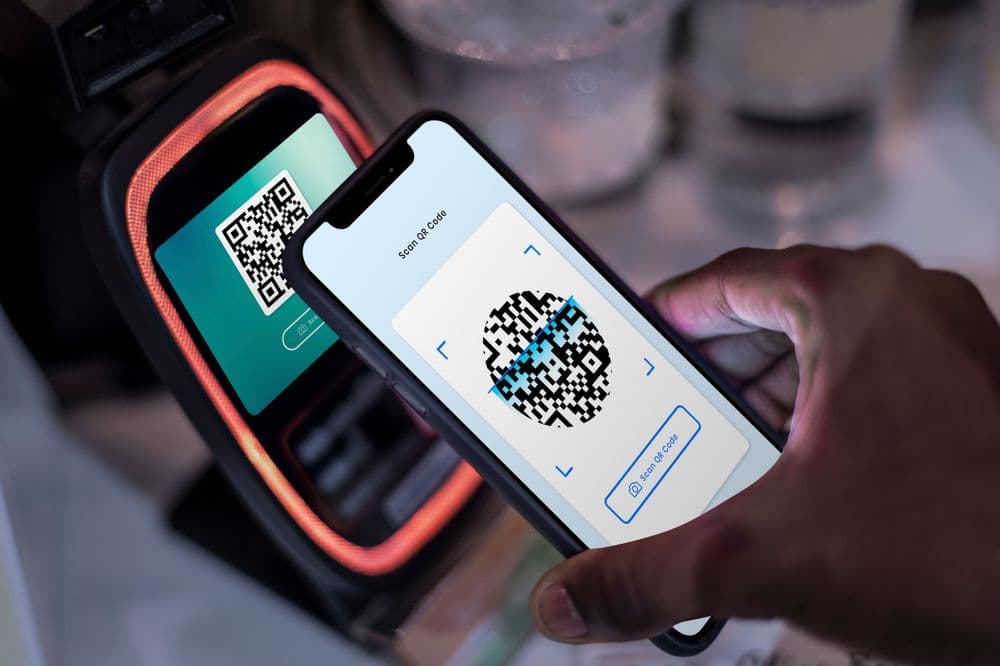
A new unified ruling from the Curia (Supreme Court) of Hungary just changed how banks can be held liable for payment fraud losses in Hungary. EUR 45,000. That's what one customer lost in a QR-code-based fraud chain — and the court ruled the bank can't escape liability.
How it played out:
1️⃣ The victim registered on an Instagram crypto ad → got a call from a UK number
2️⃣ Sent EUR 280 as a "test investment" — promised a small "yield" of EUR 17 to build trust
3️⃣ Installed a remote-access app on her phone "to help process the yield”
4️⃣ Received a QR code via Viber, which she scanned in her own banking app, authenticating with Face ID — believing she was receiving the yield
5️⃣ What she actually did: authorized a EUR 18,500 outgoing transfer and saved the recipient as a trusted beneficiary
6️⃣ The second transaction — EUR 26,000 — went through without her involvement at all. Trusted beneficiary transfers are exempt from Strong Customer Authentication. Total damage: EUR 45,000.
The Curia's 1/2026 (Jpe.IV.60.032/2025/11.) unified ruling matters for one key reason. To establish gross negligence on the customer's side, it's no longer enough for the bank to prove that the customer broke a security rule. The bank now has to prove that the customer's awareness extended to the actual loss — at a level approaching intent.
Worth noting: the ruling wasn't unanimous within the Curia itself. A dissenting opinion was put on record, arguing that this interpretation effectively hollows out Section 45(3) of the Payment Services Act and turns bank liability into something close to strict liability.
What this means in practice: the bar for the bank to avoid reimbursement is materially higher, especially for newer social-engineering schemes where the average consumer can't reasonably foresee the chain of events.
So where does this leave fraud strategy? Detection has to shift left. Landing, login, navigation — that's where invisible signals and behavioral patterns can be picked up, well before any transaction is on the table. And when the transaction does happen, the decision should run against a layered customer profile and payment-history analysis.
At IT Natives we work across all of these layers — early-stage session intelligence, behavioral analytics, and advanced transaction-level decisioning. Different problems need different tools and approaches, and getting the combination right is most of the job. Happy to talk if this is on your radar.